
Why Hormonal Imbalance Is Hitting Young Adults Harder Than Ever
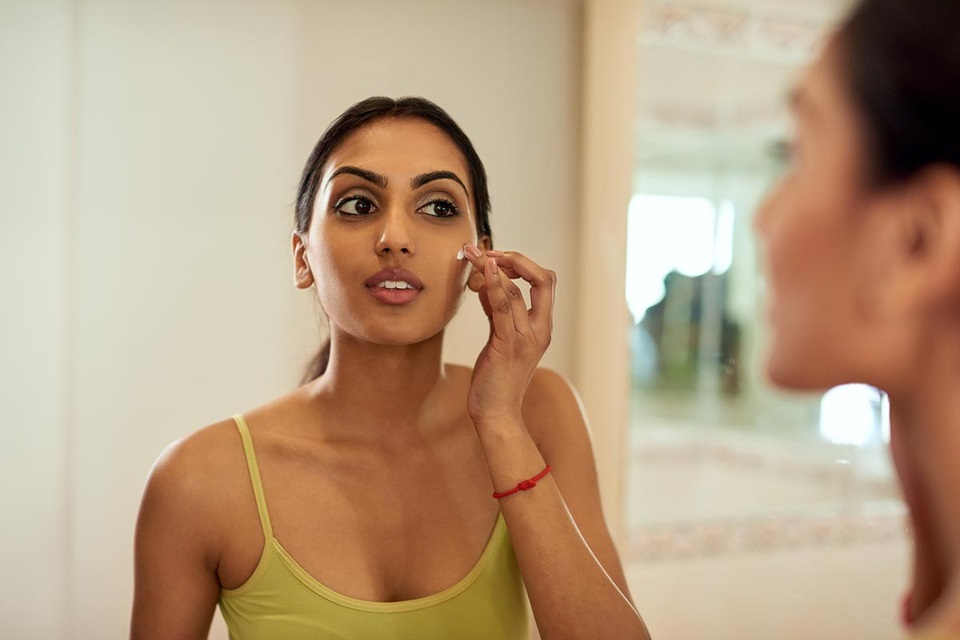
Hormones used to be something people associated with puberty or midlife. But now, an increasing number of young adults in their 20s and 30s are finding themselves tangled in symptoms that seem wildly out of sync with their age. Fatigue that doesn’t lift, weight gain that won’t budge, acne beyond teenage years, mood swings, irregular periods, brain fog—the list keeps growing.
This isn’t just a phase. Hormonal imbalance is becoming more common among young adults, and the reasons behind it are layered, complex, and often hiding in plain sight.
The Stress Epidemic No One Is Escaping
Chronic stress might be one of the most underestimated hormone disruptors out there. From the pressure to perform academically, to the hustle of career building, financial instability, relationship expectations, and constant social comparison—young adults today are swimming in stress.
When stress becomes constant, the body reacts by pumping out more cortisol, the primary stress hormone. Cortisol isn’t the villain, but when it’s elevated for too long, it starts to wreak havoc. It throws off the balance of other key hormones like insulin, thyroid hormones, estrogen, and testosterone. The result? Energy crashes, anxiety spikes, menstrual irregularities, low libido, stubborn belly fat—and a body that feels completely out of rhythm.
Screens, Sleep, and the Melatonin Disruption
Blue light exposure has become a quiet hormone saboteur. Phones, laptops, and TVs aren’t just messing with your attention span—they’re altering your natural sleep-wake cycle. Melatonin, the hormone responsible for helping you sleep, gets suppressed by blue light, especially at night.
Poor sleep doesn’t just make you groggy. It disrupts everything from growth hormone production to leptin and ghrelin (your hunger and satiety hormones). Sleep deprivation also interferes with insulin sensitivity, which can lead to blood sugar imbalances and eventually impact cortisol and reproductive hormones. All of this compounds over time, and suddenly, a few late nights become a hormonal tipping point.
Environmental Toxins Are Sneaking In
Endocrine disruptors are everywhere—in plastics, cosmetics, food packaging, cleaning products, and even tap water. These chemicals, like BPA, phthalates, and parabens, mimic or interfere with the body’s natural hormones. They might be tiny, but their impact can be enormous.
Young adults are exposed to more of these compounds than any previous generation. Drinking from plastic bottles, using scented skincare, heating food in plastic containers—all common habits that can introduce hormone-disrupting chemicals into the body.
The tricky part? These compounds can confuse the body into thinking it has too much or too little of a hormone. Over time, this artificial interference can contribute to estrogen dominance, thyroid dysfunction, low testosterone, and fertility issues.
Nutrition
Diet plays a powerful role in hormonal health, but it’s not just about eating “clean.” Many young adults swing between extremes—restrictive diets, binge eating, or ultra-processed convenience foods. Skipping meals, overloading on sugar, and under-eating healthy fats are all incredibly common.
Hormones need key nutrients to function properly—zinc, magnesium, omega-3s, B vitamins, and healthy cholesterol (yes, the right kind) all support hormonal production and regulation. Without them, the body struggles to create and balance hormones effectively.
Undereating, especially in the form of restrictive diets or intermittent fasting done excessively, can signal to the body that it’s in survival mode. This shuts down reproductive hormone production, tanks energy levels, and raises cortisol. Meanwhile, too much processed food can lead to insulin resistance, inflammation, and sluggish thyroid function.
The Birth Control Conundrum

Hormonal birth control has been a revolutionary tool for reproductive health, but it’s not without trade-offs. Many young adults use birth control for reasons far beyond contraception—acne, period pain, heavy bleeding, or irregular cycles.
While the pill and other hormonal contraceptives can offer symptom relief, they don’t fix the underlying imbalances. Instead, they often mask them. And when someone comes off birth control after years of use, those symptoms can return—sometimes even worse. Additionally, hormonal birth control can deplete certain nutrients, increase inflammation in some people, and alter the gut microbiome, which plays a key role in hormone regulation.
Gut Health and the Hormone Highway
The gut and hormones are in constant conversation. An imbalanced microbiome can lead to increased inflammation, poor nutrient absorption, and even issues with estrogen clearance. When estrogen isn’t properly broken down and excreted, it can recirculate through the body and lead to estrogen dominance—something that’s becoming increasingly common in young adults.
A compromised gut also affects cortisol, insulin, and thyroid hormones. And with the rise of processed foods, antibiotic use, high-stress lifestyles, and lack of fiber, gut issues are everywhere—from bloating and IBS to more silent forms of dysfunction.
Overexercising or Not Moving at All
Exercise is a fantastic tool for hormone balance, but the extremes are causing problems. On one end, sedentary lifestyles—sitting for hours, barely moving outside of daily routines—can slow metabolism, reduce insulin sensitivity, and increase stress hormones.
On the flip side, overexercising—especially intense cardio combined with insufficient recovery or nutrition—can lead to elevated cortisol, menstrual irregularities, fatigue, and low testosterone. There’s a sweet spot for movement, and it often involves a mix of strength training, walking, and mobility work—not back-to-back HIIT sessions or all-or-nothing gym marathons.
Mental Health and Hormonal Feedback Loops
Anxiety and depression are at all-time highs among young adults, and they don’t exist in a vacuum. Emotional well-being and hormone balance are tightly interwoven. Low serotonin can disrupt estrogen and progesterone balance. High anxiety can keep cortisol elevated, which interferes with everything from sleep to digestion to sex hormone production.
There’s also the hormonal feedback loop—where mental health struggles affect hormone balance, and hormone imbalances worsen mood, creating a cycle that’s hard to break. It’s not “just in your head”—your hormones are often deeply involved.
The Social Media Effect
Constant exposure to curated perfection has created a wave of body dysmorphia, disordered eating, and relentless self-comparison. This mental strain doesn’t just affect confidence—it plays directly into how stress hormones and reproductive hormones function.
Overtraining, under-eating, chasing an unrealistic body image, and feeling perpetually not good enough can all disrupt the hypothalamic-pituitary-adrenal (HPA) axis, which governs hormone signaling. The digital pressure cooker young adults are living in today is having biological consequences.
Genetics Load the Gun, Lifestyle Pulls the Trigger
Some people are genetically more prone to hormonal imbalance, whether it’s thyroid conditions, PCOS, endometriosis, or adrenal fatigue. But those genes don’t operate in isolation. It’s the environment—the daily habits, exposures, and choices—that influence whether those genes get “turned on.”
And with all the hormonal stressors piling up, it’s no wonder so many young adults are hitting tipping points earlier than ever. The good news? Awareness is growing, and people are starting to listen more closely to what their bodies are saying.