
How Exercise Needs Change During Pregnancy
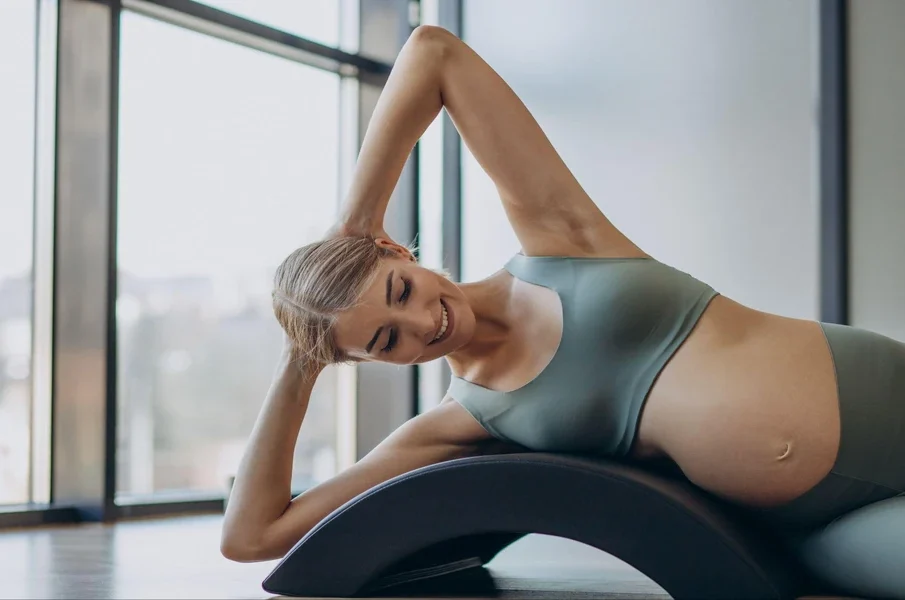
Pregnancy brings gradual changes to body weight, balance, joints, circulation and energy levels. These changes can affect how comfortable or practical certain forms of exercise feel as pregnancy progresses.
For healthy pregnancies, regular physical activity is generally encouraged, although individual needs vary. Guidance from a doctor, midwife or a practitioner providing prenatal physiotherapy in Singapore can help determine whether modifications are appropriate based on health, pregnancy stage and previous activity levels.
What Are the Exercise Needs During the First Trimester?
During the first trimester, visible physical changes may still be limited, but hormonal and cardiovascular changes begin early. Fatigue, nausea and other pregnancy symptoms can influence exercise tolerance.
People who were physically active before pregnancy can often continue many familiar activities when there are no medical or obstetric contraindications. Exercise may still need to be adjusted according to comfort and professional advice.
Common considerations include:
- Choosing an intensity that remains comfortable and sustainable.
- Staying adequately hydrated and avoiding overheating.
- Adjusting the duration of exercise when fatigue or nausea is significant.
- Including aerobic activity alongside appropriate strength exercises.
- Avoiding activities with a high risk of falling, collision or abdominal trauma.
Someone who was previously inactive does not necessarily need to avoid exercise altogether. However, a gradual approach is generally appropriate, with healthcare guidance where needed.
Overall, first-trimester exercise often focuses on maintaining appropriate activity while responding to early pregnancy symptoms. As the abdomen grows during the second trimester, balance and exercise positioning become increasingly relevant.
How Do Exercise Needs Change During the Second Trimester?
The second trimester usually brings more noticeable physical changes. A growing abdomen changes the body’s centre of gravity, while increasing body mass can affect balance and the physical demands of movement.
Exercise programmes may therefore require modifications rather than simply becoming easier or harder. People seeking physiotherapy for women’s health in Singapore may receive individual assessment of factors such as strength, posture, mobility and pelvic floor function.
Exercise considerations during this stage may include:
- Modifying movements that become uncomfortable as the abdomen grows.
- Paying greater attention to balance during standing exercises.
- Using stable positions or supports where appropriate.
- Continuing suitable aerobic and resistance activities at an appropriate intensity.
- Including pelvic floor muscle training where clinically appropriate.
Exercise positioning also becomes more important. Prolonged exercise lying flat on the back may need to be modified later in pregnancy because the weight of the uterus can compress major blood vessels in some individuals.
In summary, second-trimester exercise increasingly accounts for changes in body shape, balance and comfort. These considerations often become more pronounced during the final trimester.
What Are the Exercise Needs During the Third Trimester?
By the third trimester, increases in abdominal size and body weight can make some movements more demanding. Balance may also be affected as the centre of gravity continues to shift.
Exercise can remain part of a healthy pregnancy when medically appropriate, but activities may need further adaptation. Common adjustments include:
- Reducing exercise intensity or duration when necessary for comfort.
- Selecting lower-impact activities such as walking or swimming where suitable.
- Modifying strength exercises to accommodate the abdomen.
- Using stable surfaces or support during exercises that challenge balance.
- Allowing sufficient rest and recovery between activities.
Exercise needs are individual rather than determined solely by trimester. Prenatal physiotherapy may be relevant when pain, mobility difficulties or uncertainty about exercise modifications requires individual assessment.
Third-trimester activity therefore generally prioritises safe, comfortable movement rather than maintaining a particular pre-pregnancy performance level. The gradual adaptations across all three trimesters reflect the broader physiological changes occurring throughout pregnancy.
Why Do Exercise Needs Change Throughout Pregnancy?
Exercise needs change because pregnancy affects multiple body systems rather than simply increasing abdominal size. Cardiovascular, respiratory and musculoskeletal adaptations occur throughout pregnancy and can influence exercise capacity.
Important changes include:
- Centre of gravity: A growing abdomen can alter balance and movement patterns.
- Joint stability: Hormonal changes can affect connective tissues and joint mobility.
- Cardiovascular demands: Blood volume and cardiac workload increase during pregnancy.
- Body mass: Additional weight changes the effort required for weight-bearing activities.
- Energy and comfort: Fatigue and pregnancy-related symptoms can influence activity tolerance.
These changes do not mean exercise must automatically stop or steadily decrease. Instead, exercise type, intensity, duration and positioning can be adjusted according to the individual’s pregnancy, symptoms and medical guidance.
A practitioner specialising in physiotherapy for women’s health may assess movement, strength, pelvic floor function and other physical factors when tailored exercise advice is required. Across pregnancy, the central principle is to adapt physical activity as the body and individual circumstances change.
Frequently Asked Questions
How much exercise is recommended during pregnancy?
For healthy pregnant adults without contraindications, widely used guidelines recommend at least 150 minutes of moderate-intensity aerobic activity each week. Individual medical circumstances may alter this recommendation.
Can you start exercising if you were inactive before pregnancy?
Yes. Previously inactive individuals can generally begin with gradual amounts of suitable physical activity, provided there are no medical reasons to avoid exercise.
Is strength training suitable during pregnancy?
Strength training can form part of pregnancy exercise for many people. Loads, movements and positions may need modification as pregnancy progresses.
Should exercise become less intense in every trimester?
Not necessarily. Exercise requirements depend on previous fitness, pregnancy symptoms, medical factors and individual tolerance rather than trimester alone.
When should you stop exercising and seek medical advice?
Exercise should be stopped, and medical advice sought when warning signs occur, such as vaginal bleeding, dizziness, chest pain, painful contractions or fluid leakage. Healthcare professionals can provide guidance based on individual circumstances.
Visit Orchard Health Clinic to learn how prenatal physiotherapy can help you adapt exercise to your changing movement, strength and comfort needs throughout pregnancy.