How Retainers Help Maintain Long-Term Teeth Alignment in Singapore
Key Highlights
- Retainers prevent teeth from naturally drifting back to their original positions after active treatment.
- Wearing these devices allows the bone and gum tissues to stabilise around the new tooth alignment.
- Consistent retainer use is a lifetime commitment required to safeguard your financial and temporal investment.
- Various types of retainers offer flexibility to suit different lifestyle needs and comfort levels.
Introduction
Completing a course of orthodontics in Singapore is a significant milestone that often involves months or even years of dedication. Whether you chose metal braces or clear aligners, the day your appliances come off is a cause for celebration. However, many patients mistakenly believe that the removal of braces signifies the end of their journey. In reality, the retention phase is just as critical as the active movement phase. Without the support of retainers in Singapore, your teeth are prone to relapse, a process where they gradually shift back toward their original, crooked state. Understanding the physiological necessity of these devices is the first step toward ensuring that your new, confident smile remains perfectly aligned for decades to come.
Preventing Orthodontic Relapse and Natural Drifting
The primary function of a retainer is to prevent what dentists call orthodontic relapse. Teeth are not fixed permanently into the jawbone like nails in a board; rather, they are held in place by a complex network of periodontal ligaments and living bone tissue. During your orthodontics treatment in Singapore, these ligaments are stretched, and the bone is reshaped to allow movement. Once the braces are removed, these tissues have a natural memory and a strong tendency to pull the teeth back to their original position. Retainers provide the necessary tension to hold the teeth in their new positions while the surrounding structures adapt. This is particularly important in the first few months post-treatment when the risk of movement is at its highest.
Allowing Bone and Gum Tissue to Stabilise
For a smile to become permanent, the bone in your jaw needs time to harden around the new positions of the tooth roots. When teeth are moved, the bone on one side of the root is resorbed while new bone is deposited on the other side. This new bone is initially quite soft and lacks the density required to withstand the immense pressure of chewing without assistance. By consistently wearing retainers in Singapore, you give your body the chance to undergo this remineralisation process. This biological stabilisation ensures that the teeth are firmly anchored. Skipping your retainer during this window can lead to minor shifts that, over time, accumulate into significant crowding or spacing issues that might require further corrective treatment.
Addressing Age-Related Physiological Changes
Even if you never had orthodontic treatment, teeth tend to shift forward and crowd as we age. This natural phenomenon, known as late mandibular incisor crowding, occurs due to the gradual narrowing of the jaw and the constant pressure from our facial muscles. When you invest in orthodontics in Singapore, you are essentially fighting against these natural ageing processes. A retainer acts as a lifetime insurance policy against this inevitable physiological drift. Many adults find that their teeth begin to overlap in their thirties and forties because they stopped wearing their retainers in their youth. Continuing to use your retainer, even if only for a few nights a week in the long term, keeps these age-related changes at bay.
Choosing the Right Retainer for Your Lifestyle
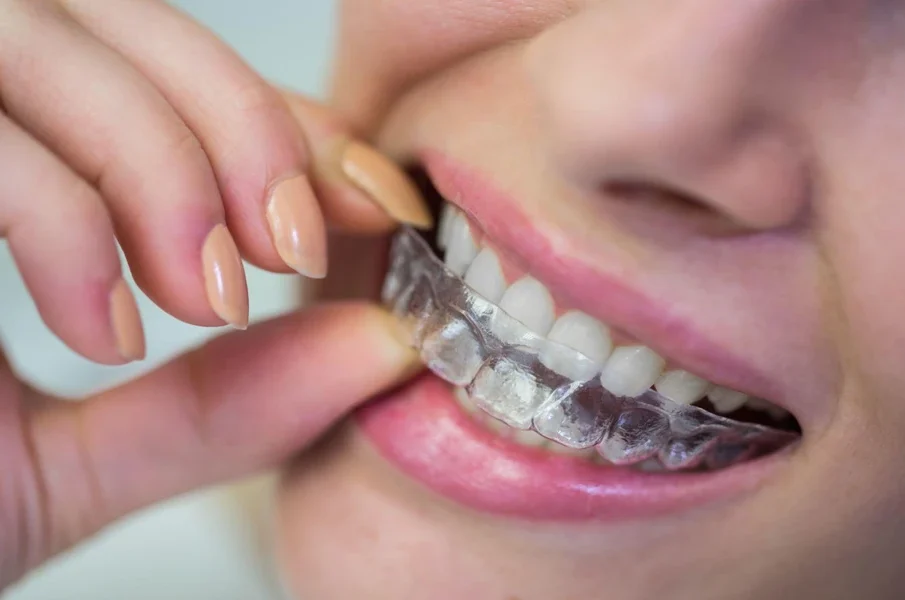
Modern dentistry offers several options for retainers in Singapore, allowing patients to find a solution that fits their daily routine. Fixed retainers consist of a thin wire bonded to the back of the teeth, providing 24/7 protection without the need for the patient to remember to put them in. These are excellent for the lower front teeth, which are most prone to shifting. Removable options, such as the traditional Hawley retainer or the clear Essix retainer, offer the benefit of easier cleaning and the ability to take them out for special occasions. Your dental professional will recommend the best type based on your specific case and how your teeth were originally positioned. The key is to follow the prescribed wear schedule to maintain the integrity of your results.
Conclusion
The success of any orthodontic journey depends heavily on the discipline shown during the retention phase. While it may seem like a chore to wear an appliance after your braces are gone, the alternative is the frustration of watching your teeth slowly become crooked again. By understanding that retainers are the foundation of long-term stability, you can protect your investment and enjoy the benefits of a healthy, straight smile for the rest of your life. Consistent care today ensures that the hard work put into your treatment remains visible every time you smile.
To ensure your smile stays perfect after your treatment, contact Align Braces Clinic today to learn more about the best retainer options.