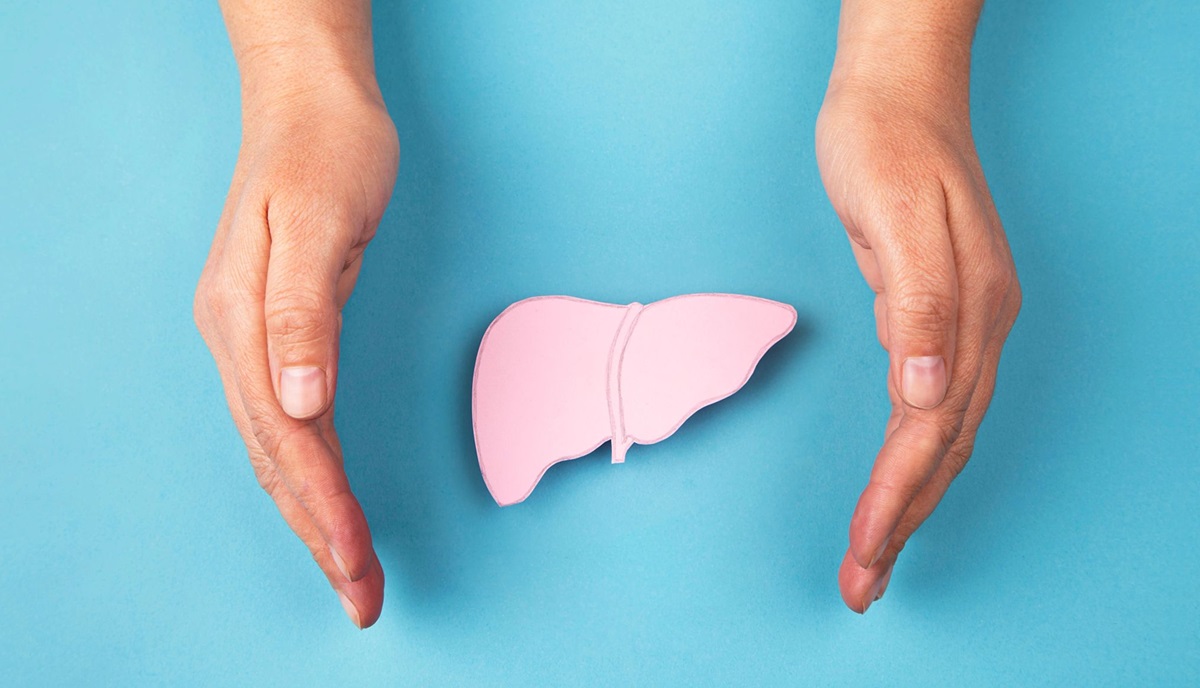
Can the Liver Actually Regenerate? Debunking the Myths
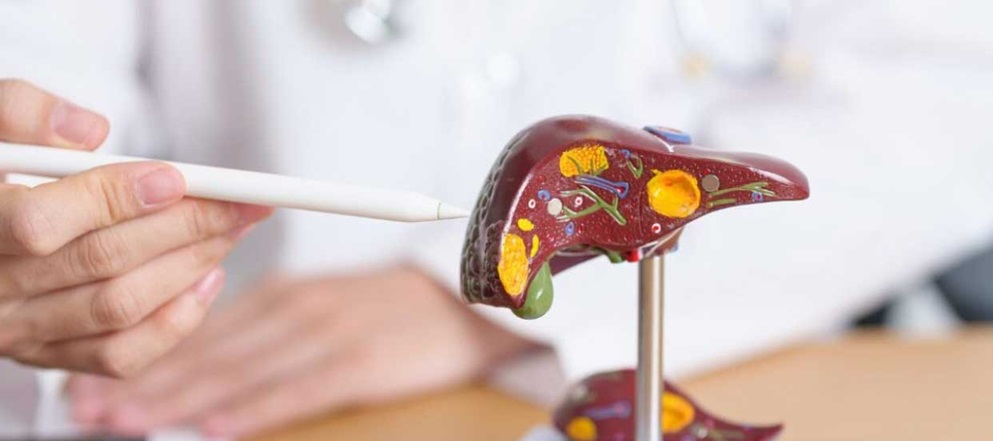
If you’ve ever heard someone say the liver can grow back after damage, you’re probably wondering how true that actually is. The human liver is a pretty amazing organ, known for its resilience and critical role in detoxifying your body, aiding digestion, and processing nutrients. But there’s plenty of confusion out there when it comes to understanding exactly how much damage your liver can handle and what “regeneration” truly means. Today, we’ll dive into some common myths and facts surrounding liver regeneration.
Myth 1: The Liver Can Fully Regenerate After Any Damage
It’s true that the liver has a remarkable ability to regenerate. In fact, it’s one of the few organs that can grow back after injury. However, this doesn’t mean it can recover fully from every kind of damage. Regeneration depends significantly on the type and extent of injury. For instance, if your liver is subjected to long-term damage from chronic alcoholism or severe diseases like hepatitis, scar tissue (cirrhosis) can develop, permanently limiting the liver’s regenerative capabilities. In short, once extensive scarring occurs, the liver cannot fully regenerate itself.
Fact 1: Your Liver Can Regrow Significantly After Surgery
The liver’s regenerative power is especially noticeable during surgical procedures like liver transplants or resections. Surgeons can remove up to two-thirds of a healthy liver, and incredibly, the remaining portion will typically grow back to its original size within months. Liver cells, called hepatocytes, start dividing rapidly after surgery, restoring liver function and size effectively. This regeneration process showcases how resilient and adaptable your liver truly is.
Myth 2: Liver Regeneration Means It Can Handle Excessive Alcohol Without Harm
Some people mistakenly think the liver’s regenerative capability means they can consume alcohol excessively without lasting harm. Unfortunately, this isn’t accurate. Chronic alcohol consumption gradually damages liver cells and leads to the buildup of fatty deposits, inflammation, and eventually scarring known as alcoholic liver disease. Over time, these scars prevent the liver from regenerating effectively, causing permanent damage and significantly impairing its functions. Moderation is key, and your liver will thank you for it.
Fact 2: Lifestyle Changes Can Help Improve Liver Health
Even if your liver has sustained damage, making lifestyle changes can significantly impact your liver’s health and its ability to repair itself. Eating a balanced diet, maintaining a healthy weight, avoiding excessive alcohol, and exercising regularly can dramatically reduce the stress placed on your liver. These changes give your liver a chance to repair minor damage and function at its best. While these actions might not reverse severe scarring, they can help prevent further damage and maintain your overall liver health.
Myth 3: Detox Cleanses and Supplements Enhance Liver Regeneration
A common misconception is that detox cleanses or special supplements will boost your liver’s regenerative power. The truth? Your liver doesn’t need expensive supplements or juice cleanses to detoxify your body or regenerate. It naturally filters toxins efficiently as long as it’s healthy. In fact, some herbal supplements or detox products can actually harm the liver, causing inflammation or toxicity. The best approach is straightforward: maintain healthy habits and avoid unnecessary or potentially harmful substances.
Fact 3: Age Can Affect Liver Regeneration

One aspect often overlooked is how age influences liver regeneration. While the liver maintains its remarkable regenerative capability throughout your life, it does tend to slow down with age. Younger individuals generally recover quicker from liver surgeries and injuries compared to older adults. Still, regardless of age, adopting healthy lifestyle practices supports your liver’s regenerative processes and overall well-being.
Myth 4: Liver Damage Always Shows Immediate Symptoms
Many people assume liver damage will immediately show clear symptoms. The reality is, liver damage often progresses silently, showing few noticeable signs until it’s advanced. This is why regular health check-ups, liver screenings, and maintaining healthy lifestyle habits are crucial. Catching liver issues early on means there’s a better chance your liver can regenerate and recover before irreversible damage occurs.
Fact 4: Liver Regeneration Is a Complex Biological Process
Liver regeneration isn’t simply about growing back lost tissue; it’s a complicated process involving multiple types of cells and biological signals. When your liver experiences damage, it sends signals that activate dormant hepatocytes, encouraging them to multiply. Simultaneously, other cell types like endothelial cells and immune cells coordinate efforts to ensure the liver regenerates effectively. Understanding this process highlights why maintaining overall body health—especially reducing inflammation and stress—supports the liver’s ability to regenerate optimally.
Myth 5: Liver Transplants are Always Necessary After Severe Liver Damage
It’s a common misconception that severe liver damage always leads to a liver transplant. The good news is, not every case of severe liver injury requires transplantation. Medical treatments and lifestyle changes can often significantly improve liver function, reducing the need for transplantation. Transplants typically become essential when irreversible liver damage (end-stage liver disease) severely limits regeneration and functionality. Early intervention is key to preventing the necessity of transplantation in many cases.