Everyday Toxins Your Liver Wishes You Knew About
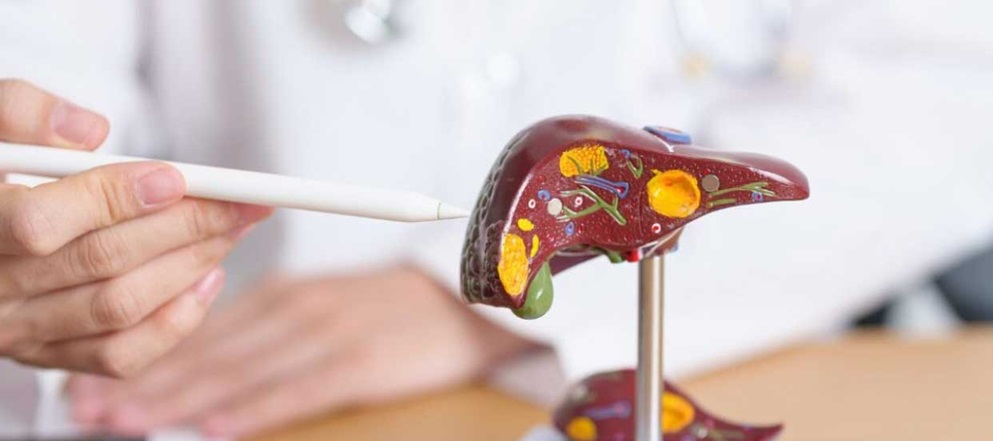
Your liver is one of the hardest-working organs in your body. It filters your blood, metabolizes nutrients, breaks down hormones, and detoxifies everything from alcohol to environmental chemicals. It’s constantly on duty, sorting out what needs to stay and what needs to go.
But in a world full of modern conveniences, processed foods, and synthetic chemicals, the liver is busier than ever. Many of the toxins that land on its desk come from sources we encounter daily—things that seem harmless but quietly pile up over time.
If your liver could talk, it might ask for a break from a few common offenders.
- Synthetic Fragrances
That scented candle, air freshener, or “clean linen” laundry detergent might smell comforting, but the artificial fragrances behind those scents often contain phthalates, formaldehyde, and other volatile organic compounds (VOCs). These compounds don’t just affect the air quality—they make their way into your bloodstream through your skin and lungs.
Once in the body, it’s the liver’s job to break them down. Over time, frequent exposure can contribute to detox overload and inflammation.
What helps:
Switch to fragrance-free or naturally scented products made with essential oils. Keep rooms well-ventilated, and consider using an air purifier to reduce VOC buildup indoors.
- Processed Foods and Additives
The convenience of packaged snacks, frozen meals, and fast food often comes with a hidden cost: preservatives, flavor enhancers, food dyes, and stabilizers that the liver has to filter out. Add to that high-fructose corn syrup and refined oils, and your liver’s detox pathways can get bogged down.
These compounds are often stored in fat tissue when the liver can’t process them fast enough, contributing to metabolic strain and potential fatty liver issues over time.
What helps:
Choose whole, minimally processed foods when possible. Read labels, cook at home when you can, and keep ingredients simple and recognizable.
- Alcohol and Social Sips
Even moderate drinking requires the liver to work harder. Alcohol is prioritized by the liver for breakdown because it’s seen as toxic. That means other tasks—like hormone balance and fat metabolism—get temporarily pushed to the side.
Over time, even occasional drinking can contribute to fatty liver buildup or slow liver enzyme function, especially when paired with other lifestyle factors.
What helps:
Take regular breaks from alcohol, support hydration with water and electrolytes, and load up on liver-loving foods like leafy greens and cruciferous veggies.
- Tap Water Contaminants
Municipal water systems do a great job making water safe from bacteria and parasites, but many still contain residual chlorine, fluoride, heavy metals, and trace amounts of pharmaceuticals. These can slip through your defenses and add to your liver’s workload.
What helps:
Use a quality water filter that targets contaminants common in your area. Look for filters that reduce heavy metals, chlorine, and pesticides.
- Pesticide Residues on Produce
Even healthy choices like fruits and vegetables can carry a toxic hitchhiker—pesticide and herbicide residues. These chemicals can be endocrine disruptors and liver stressors, especially when consumed regularly in small doses.
While the liver is designed to filter out these substances, long-term exposure adds up.
What helps:
Buy organic when possible, especially for high-residue items like strawberries, spinach, and apples. When organic isn’t an option, wash produce thoroughly with a baking soda and water rinse.
- Plastics and Food Packaging

Plastic containers, water bottles, and food packaging can leach BPA, BPS, and other endocrine-disrupting chemicals, especially when exposed to heat. These substances don’t just mess with hormones—they also give the liver extra molecules to break down and clear out.
What helps:
Store food in glass, stainless steel, or BPA-free containers. Avoid microwaving food in plastic, and steer clear of canned foods with BPA linings when you can.
- Over-the-Counter Medications
Pain relievers like acetaminophen (Tylenol) are widely used, but they’re also processed heavily through the liver. In high doses—or when combined with alcohol—acetaminophen is one of the leading causes of liver damage.
Even seemingly mild medications can tax the liver if taken frequently or in combination with other drugs.
What helps:
Use medications only when necessary, stick to recommended doses, and avoid mixing them with alcohol. If you take regular prescriptions, ask your provider about liver function monitoring.
- Personal Care Products
Lotions, shampoos, sunscreens, and cosmetics often contain parabens, formaldehyde releasers, and other synthetic compounds. These ingredients are absorbed through the skin and eventually pass through the liver for detoxification.
Over time, daily exposure to dozens of these products can add up to a significant toxic burden.
What helps:
Simplify your personal care routine. Choose clean, non-toxic brands with ingredient transparency. Your skin and your liver will thank you.
- Household Cleaners
Antibacterial sprays, bleach-based cleaners, and disinfectant wipes may kill germs, but they also introduce chemicals like ammonia, chlorine, and quaternary ammonium compounds (quats) into your home environment. These compounds are easily inhaled or absorbed through the skin—and guess who gets to process them? Your liver.
What helps:
Switch to natural or plant-based cleaners made with vinegar, baking soda, essential oils, or hydrogen peroxide. Open windows when cleaning to ventilate the space.
- Chronic Stress
It might not be a “toxin” in the traditional sense, but chronic stress triggers the release of stress hormones like cortisol, which the liver must also metabolize. Over time, ongoing stress can deplete antioxidants and slow detox pathways, leaving the liver more vulnerable to other environmental challenges.
What helps:
Build moments of calm into your day. Breathwork, gentle movement, time in nature, and nourishing sleep all support a balanced nervous system—and by extension, a more resilient liver.
The liver works behind the scenes every day to keep your system clean and functioning smoothly. Reducing your exposure to these everyday toxins doesn’t have to be dramatic. Small, consistent changes in your environment, habits, and food choices can give your liver a lighter load—and more room to do what it does best.