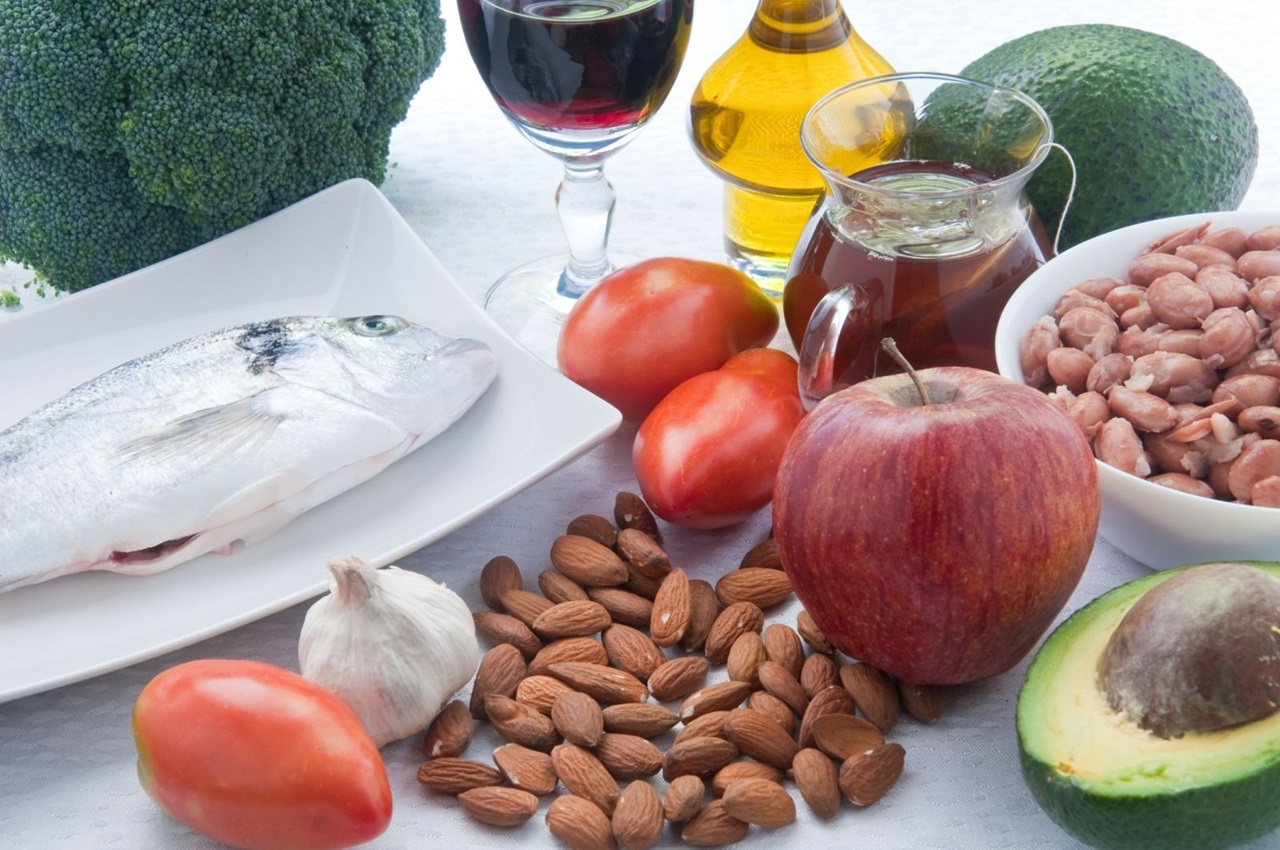
Can Your Gut Bacteria Really Change Your Cholesterol Levels?
The human gut is having a moment—and for good reason. Over the past few years, science has uncovered just how influential our gut microbiome is, reaching far beyond digestion and into areas like immunity, mood, and even metabolism. But here’s a connection you might not have seen coming: your gut bacteria might be playing a major role in managing your cholesterol levels.
It sounds strange at first. Microorganisms in your digestive tract affecting your heart health? But the research keeps building, and the story it’s telling is pretty compelling. These microscopic residents are quietly shaping your body’s cholesterol landscape in ways that are only starting to come into focus.
Your Gut Microbiomex
Your gut microbiome is a vast community of trillions of microorganisms living in your gastrointestinal tract. They include bacteria, viruses, fungi, and other microbes. Everyone’s gut microbiome is unique—like a fingerprint. It evolves over time and responds to your diet, lifestyle, medications, environment, and even your stress levels.
These bacteria aren’t just passive passengers. They’re actively involved in breaking down food, producing vitamins, fighting off pathogens, and now—according to mounting evidence—regulating cholesterol metabolism.
The Gut-Liver-Cholesterol Axis
Cholesterol metabolism is largely handled by your liver, but your gut is in constant communication with it. Think of it as a feedback loop. The liver produces bile acids from cholesterol and sends them into the digestive system to help break down fats. Once their job is done, most bile acids get reabsorbed and sent back to the liver, where they can be reused.
This is where your gut bacteria come into play.
Certain strains of gut microbes can modify these bile acids through a process called deconjugation. This reduces how efficiently bile acids are reabsorbed, meaning the liver needs to use more cholesterol to make new bile acids. The result? Less cholesterol circulating in your blood. In other words, the right balance of gut bacteria can help lower your LDL cholesterol levels—simply by altering bile acid recycling.
hort-Chain Fatty Acids and Cholesterol Control
Another way your gut bacteria influence cholesterol is through their production of short-chain fatty acids (SCFAs), like butyrate, acetate, and propionate. These are produced when gut microbes ferment dietary fiber in the colon.
SCFAs are incredibly important. They help nourish the cells lining your gut, regulate inflammation, and—you guessed it—impact lipid metabolism. Propionate, in particular, has been shown to reduce cholesterol synthesis in the liver. It essentially signals the liver to slow down on cranking out cholesterol, creating a natural balancing effect.
So when you feed your gut with the right kinds of fiber, you’re not just improving digestion—you’re indirectly supporting better cholesterol management.
Dysbiosis

Not all gut bacteria are helpful. An imbalance in your gut microbiota, known as dysbiosis, can tilt things in the wrong direction. Factors like antibiotic overuse, high-sugar diets, stress, or lack of fiber can disrupt your microbial balance and allow harmful bacteria to flourish.
Some of these bad actors produce compounds that promote systemic inflammation, which is closely tied to higher LDL cholesterol and an increased risk of cardiovascular disease. Others interfere with bile acid metabolism or even produce metabolites that increase cholesterol levels in the blood.
In short, a disrupted gut can create ripple effects that extend far beyond bloating or irregular digestion—it can mess with your entire metabolic profile.
Probiotics, Prebiotics, and Cholesterol
If gut bacteria can affect cholesterol, it makes sense that probiotics and prebiotics might help balance things out. And that’s exactly what some research is suggesting.
Probiotics are live bacteria—often found in fermented foods or supplements—that can confer health benefits when consumed in adequate amounts. Certain strains, particularly Lactobacillus and Bifidobacterium, have been associated with reductions in total and LDL cholesterol.
They may work by binding cholesterol in the intestines and preventing it from being absorbed, by altering bile salt metabolism, or by producing SCFAs that influence liver function. Not all probiotics are created equal, though. Specific strains seem to have specific benefits, so a targeted approach is more effective than a general one.
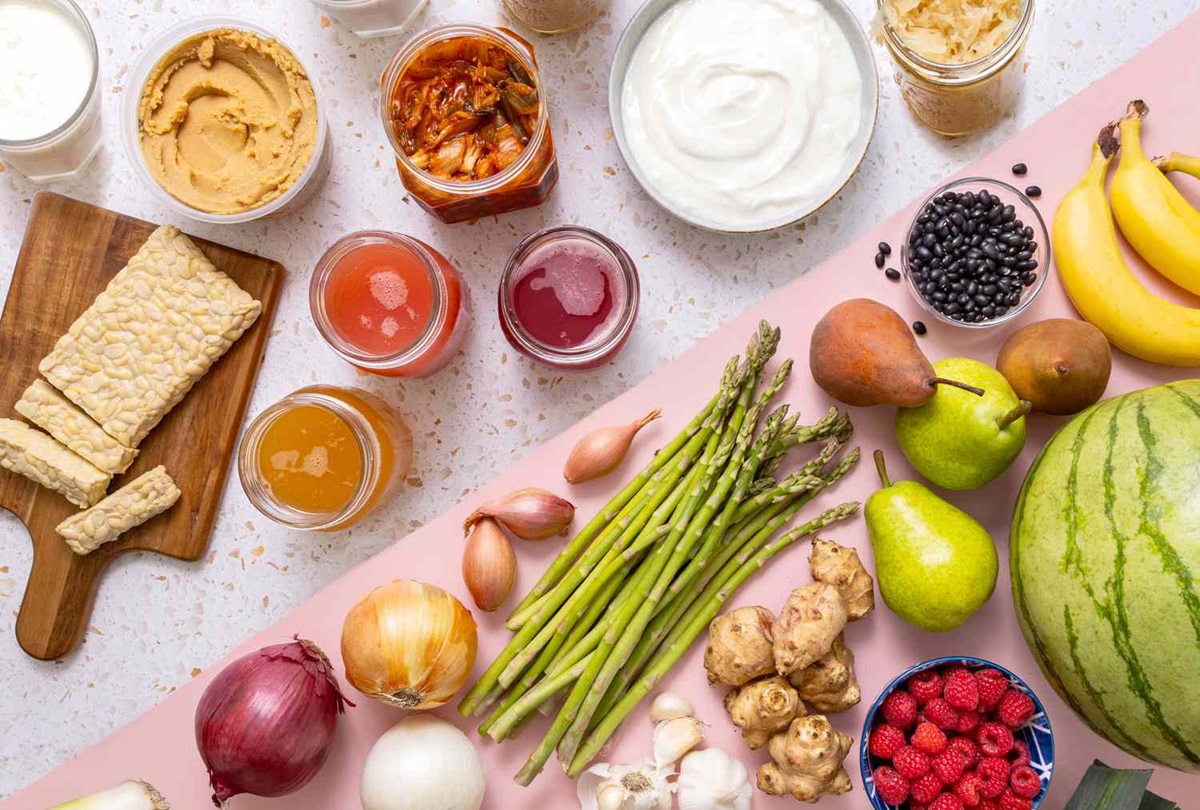
Prebiotics, on the other hand, are types of fiber that feed your good gut bacteria. Think inulin, resistant starch, and oligosaccharides. These help your beneficial microbes flourish and increase the production of SCFAs, creating an environment where cholesterol-regulating bacteria can thrive.
The Role of Diet in Gut and Cholesterol Health
Diet is one of the most powerful tools you have to influence both your gut microbiome and your cholesterol levels. The two are deeply intertwined. A diet rich in fiber, plant-based foods, and fermented products supports microbial diversity and fosters an environment that’s favorable for cholesterol balance.
Whole grains, fruits, vegetables, legumes, nuts, and seeds all provide the nourishment your gut bacteria need to produce SCFAs and maintain bile acid regulation. Meanwhile, fermented foods like yogurt, kefir, kimchi, sauerkraut, and miso can help introduce beneficial strains and keep harmful ones in check.
On the flip side, highly processed foods, sugar-heavy diets, and excessive alcohol can deplete microbial diversity and allow pro-inflammatory bacteria to take hold—leading to higher cholesterol and increased cardiovascular risk.
Emerging Research and Future Possibilities
The gut-cholesterol connection is still being mapped out, but new studies are emerging fast. Researchers are exploring fecal microbiota transplants (yes, actual microbiome transfers) as potential ways to impact cholesterol metabolism. There’s also growing interest in “postbiotics”—metabolites produced by bacteria—that may be harnessed to create precision therapies for high cholesterol and heart disease.
Personalized nutrition based on your unique microbiome profile could soon become part of cholesterol management. Imagine a future where your cholesterol treatment isn’t just a statin prescription, but a gut health plan tailored to your bacterial blueprint. The potential here is massive—and it’s all happening right in your belly.