Debunking Cholesterol Myths That Just Won’t Die in 2025

Cholesterol has been misunderstood, mislabeled, and oversimplified for decades. Despite new research, modern healthcare advancements, and a flood of updated guidelines, some myths just refuse to go away. They linger in conversation, on food labels, and even in some doctor’s offices, confusing people and sometimes leading to choices that do more harm than good.
If you’re still navigating your cholesterol journey with information from a decade ago, it might be time for a reset. Here are some of the most persistent cholesterol myths still hanging around in 2025—and what the science actually says.
Myth #1: All Cholesterol Is Bad
This is the myth that started it all. Cholesterol got labeled the villain, and the entire narrative turned into a war against it. But not all cholesterol is created equal. Your body needs cholesterol. It’s essential for building cell membranes, producing hormones like estrogen and testosterone, and even synthesizing vitamin D.
The real issue isn’t cholesterol itself—it’s how it moves through your bloodstream. LDL (low-density lipoprotein) is often referred to as “bad” cholesterol because it can deposit in artery walls, contributing to plaque buildup. HDL (high-density lipoprotein), the so-called “good” cholesterol, helps remove excess cholesterol from the bloodstream. The key is balance, not elimination.
Myth #2: High Cholesterol Always Means You’re Unhealthy
A high total cholesterol number can be concerning, but it doesn’t tell the whole story. In fact, looking at total cholesterol without examining the breakdown of LDL, HDL, and triglycerides is like judging a book by its cover—and missing the entire plot.
Some people have high HDL levels, which can raise total cholesterol but offer protection against heart disease. Others may have high LDL but also possess a subtype of LDL particles that are larger and less likely to cause damage. Genetics play a role, too. Some individuals have familial hypercholesterolemia, a condition that elevates cholesterol levels regardless of lifestyle choices.
Elevated cholesterol is a signal, not a sentence. The full picture includes inflammation markers, lifestyle factors, and other cardiovascular risk indicators.
Myth #3: If You’re Thin, You Don’t Need to Worry About Cholesterol
Weight and cholesterol are related—but they’re not the same story. Being thin doesn’t automatically mean your cholesterol is in a healthy range. In fact, some people with a normal BMI still have high LDL or low HDL, especially if they eat a poor diet, smoke, or have a sedentary lifestyle.
Metabolically unhealthy normal-weight individuals are sometimes overlooked because they “look” healthy. But under the surface, their lipid profiles can tell a different story. Cholesterol management isn’t just a concern for those who carry extra weight. It’s about what’s happening on a biochemical level, not just the number on the scale.
Myth #4: Eating Cholesterol-Rich Foods Raises Blood Cholesterol
This one has been slowly dying out, but it’s still surprisingly common in everyday health chatter. For years, foods like eggs and shrimp were demonized because of their cholesterol content. But studies have shown that dietary cholesterol has only a modest impact on blood cholesterol for most people.
The real dietary culprits? Saturated fats and trans fats. These fats influence how the liver produces cholesterol and are more directly tied to increases in LDL levels. Eggs, on the other hand, contain nutrients like choline and antioxidants that support overall health.
So no, enjoying a couple of eggs for breakfast won’t send your cholesterol skyrocketing.
Myth #5: You Can Feel High Cholesterol Symptoms
High cholesterol is quiet. It doesn’t announce itself with pain or fatigue or dizziness. It just builds—silently and slowly—within your arteries, until one day it may lead to a serious event like a heart attack or stroke.
Many people assume that if they feel fine, their cholesterol must be fine, too. That kind of thinking delays testing, treatment, and lifestyle changes. Cholesterol levels must be measured through blood work. There’s no shortcut or physical symptom that gives it away.
Routine checkups are your best defense. Waiting for symptoms is like waiting for smoke before checking if there’s a fire in your walls.
Myth #6: Medication Alone Can Fix It

Statins and other cholesterol-lowering drugs are powerful tools. For those at high risk or with genetic conditions, they can be lifesaving. But they’re not a magic bullet. Relying on medication while ignoring diet, movement, stress, and sleep is like mopping up a leak without turning off the faucet.
Lifestyle factors matter—a lot. Exercise improves HDL levels. Fiber-rich diets help remove cholesterol from the body. Reducing processed foods, cutting back on alcohol, and getting quality sleep all contribute to a healthier lipid profile. Medications can help control cholesterol, but they work best as part of a broader, consistent lifestyle strategy.
Myth #7: Plant-Based Diets Eliminate Cholesterol Problems
A plant-based diet can be a fantastic way to improve cholesterol levels, especially when it’s built around whole, minimally processed foods. But going vegetarian or vegan doesn’t automatically guarantee cholesterol control.
There are plenty of plant-based foods that are high in unhealthy fats, sugars, and additives. Think fried tofu, vegan pastries, and meat alternatives loaded with sodium and preservatives. A plant-based label doesn’t equal heart-healthy.
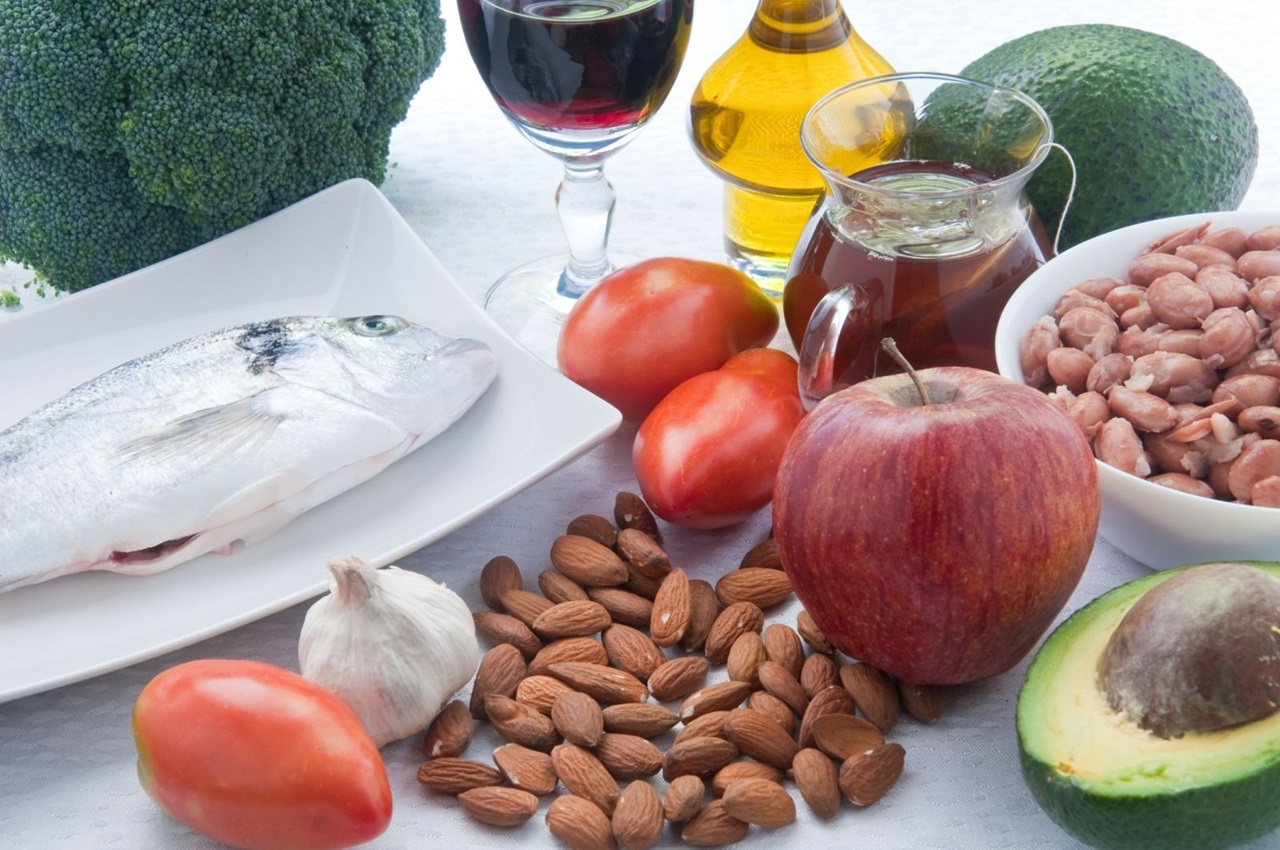
To get the full benefit, the focus should be on whole grains, legumes, fruits, vegetables, nuts, seeds, and healthy fats like olive oil and avocado.
Myth #8: You Only Need to Worry About Cholesterol When You’re Older
Cholesterol issues can start developing in your 20s or even earlier. Arterial plaque doesn’t wait until your 60s to form. In fact, autopsies of young adults—some as young as teenagers—have shown early signs of atherosclerosis.
Starting young with healthy habits makes a huge difference. Regular activity, smart eating, managing stress, and keeping an eye on your numbers can help prevent complications later in life. Early prevention is far more effective than late-stage treatment.
Myth #9: Low-Fat Diets Are Always the Best Choice
Low-fat everything had a big moment in the ’90s—and it left a trail of nutritional confusion. While it might sound logical to cut all fat to lower cholesterol, the body actually needs healthy fats to function.
Monounsaturated fats (found in olive oil, avocados, and nuts) and polyunsaturated fats (like those in flaxseeds and fatty fish) are beneficial for heart health. They can help reduce LDL and raise HDL when consumed in place of saturated fats.
What matters most is the type of fat—not just the amount. A bland, fat-free diet isn’t the ticket to healthy cholesterol levels. It’s about choosing fats that work with your body, not against it.
Myth #10: Cholesterol Is Only a Concern for Men
Heart disease has long been perceived as a “man’s issue,” but it’s actually the leading cause of death for women, too. Women are just as vulnerable to the dangers of high cholesterol, especially after menopause when protective estrogen levels drop.
In many cases, women’s symptoms of heart disease are subtler or dismissed altogether, which can delay diagnosis and treatment. Ignoring cholesterol because you’re not a man can be a dangerous oversight. Women benefit just as much from regular lipid screenings and proactive heart health strategies as men do—if not more.